യുദ്ധഭൂമിയിൽ കുടുങ്ങിയ സൈനികനെ രക്ഷിച്ച് ഡ്രോൺ
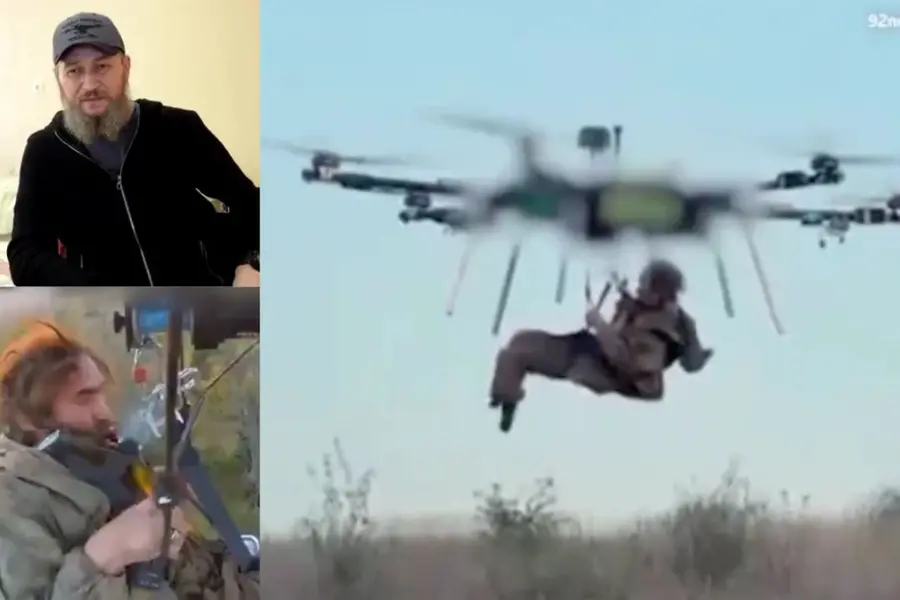
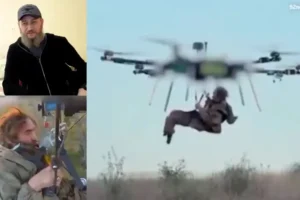
യുദ്ധഭൂമിയിൽ കുടുങ്ങിയ പരിക്കേറ്റ സൈനികനെ ഭീമൻ ഡ്രോണിന്റെ സഹായത്തോടെ സുരക്ഷിത സ്ഥാനത്തേക്ക് മാറ്റി യുക്രെയ്ൻ സൈന്യം. പരമ്പരാഗത രക്ഷാപ്രവർത്തനം അതീവ അപകടകരമായ സാഹചര്യത്തിലാണ് ആളെ വഹിക്കാൻ ശേഷിയുള്ള ഡ്രോൺ ഉപയോഗിച്ച് രക്ഷാദൗത്യം വിജയകരമായി പൂർത്തിയാക്കിയത്. യുക്രെയ്ൻ സൈന്യം ചരിത്രപരമായ നേട്ടമെന്നാണ് ഈ പ്രവർത്തനത്തെ വിശേഷിപ്പിച്ചത്.
റഷ്യൻ സൈന്യവുമായുള്ള പോരാട്ടത്തിനിടെ പരിക്കേറ്റ സൈനികന് മുന്നണിയിൽനിന്ന് പുറത്തുകടക്കാൻ സാധിക്കാത്ത സാഹചര്യമായിരുന്നു. പ്രദേശത്തെ കുഴിബോംബുകളുടെ സാന്നിധ്യവും ശത്രുസൈന്യത്തിന്റെ ഡ്രോൺ പ്രവർത്തനങ്ങളും രക്ഷാപ്രവർത്തനത്തിന് വലിയ തടസ്സമായി. കരമാർഗമുള്ള രക്ഷാപ്രവർത്തനത്തിന് ശ്രമിച്ചെങ്കിലും അത് വിജയിച്ചില്ലെന്നാണ് റിപ്പോർട്ടുകൾ.
തുടർന്നാണ് വ്യത്യസ്തമായ രക്ഷാപദ്ധതി തയ്യാറാക്കിയത്. യുക്രെയ്ൻ സൈന്യത്തിന്റെ 92-ാം അസോൾട്ട് ബ്രിഗേഡും മറ്റ് സൈനിക വിഭാഗങ്ങളും ചേർന്നാണ് ദൗത്യം ഏകോപിപ്പിച്ചത്. ഗുരുസുഫ് ഡിഫൻസ് (Gurzuf Defence) നിർമിച്ച ആളെ വഹിക്കാൻ ശേഷിയുള്ള ഹെവി-ലിഫ്റ്റ് ഡ്രോണാണ് ഇതിനായി ഉപയോഗിച്ചത്.
സൈനികനെ സുരക്ഷിതമായി വഹിക്കാൻ കഴിയുന്ന രീതിയിൽ ഡ്രോണിൽ ആവശ്യമായ മാറ്റങ്ങൾ വരുത്തി. രക്ഷാപ്രവർത്തനത്തിനായി പ്രത്യേക തയ്യാറെടുപ്പുകളും പരിശോധനകളും നടത്തിയതായി റിപ്പോർട്ടുകൾ വ്യക്തമാക്കുന്നു.
ദൗത്യത്തിനിടെ സൈനികനെ ഡ്രോണുമായി ബന്ധിപ്പിച്ച പ്രത്യേക സംവിധാനത്തിലൂടെ ഉയർത്തി സുരക്ഷിതമായ സ്ഥലത്തേക്ക് കൊണ്ടുപോയി. ഏകദേശം 75 മിനിറ്റ് നീണ്ടുനിന്ന യാത്രയിൽ ഡ്രോൺ 62 കിലോമീറ്ററോളം സഞ്ചരിച്ചതായാണ് റിപ്പോർട്ടുകൾ.
ദൗത്യത്തിനുശേഷം സൈനികനെ സുരക്ഷിതമായി നിലത്തിറക്കുകയും തുടർചികിത്സയ്ക്കായി ആശുപത്രിയിലേക്ക് മാറ്റുന്നതിനുള്ള ക്രമീകരണങ്ങൾ നടത്തുകയും ചെയ്തു.
റഷ്യ–യുക്രെയ്ൻ യുദ്ധത്തിൽ ഡ്രോണുകൾ നിരീക്ഷണത്തിനും സൈനിക നീക്കങ്ങൾക്കും ഉൾപ്പെടെ വ്യാപകമായി ഉപയോഗിച്ചുവരുന്നുണ്ട്. എന്നാൽ പരിക്കേറ്റ സൈനികനെ നേരിട്ട് വായുമാർഗം മാറ്റുന്നതിനുള്ള ഈ ദൗത്യം ഡ്രോൺ സാങ്കേതികവിദ്യയുടെ മറ്റൊരു സാധ്യതയിലേക്കാണ് ശ്രദ്ധ ക്ഷണിക്കുന്നത്.
ഇത്തരം രക്ഷാപ്രവർത്തനങ്ങൾ ഭാവിയിൽ കൂടുതൽ വികസിപ്പിക്കാനാകുമെങ്കിലും എല്ലാ സാഹചര്യങ്ങളിലും ഇത് സുരക്ഷിതമായിരിക്കില്ലെന്ന് വിദഗ്ധർ ചൂണ്ടിക്കാട്ടുന്നു. പരിക്കേറ്റ വ്യക്തിയെ വായുവിലൂടെ കൊണ്ടുപോകുമ്പോഴുള്ള അപകടസാധ്യതകളും ഓരോ ദൗത്യത്തിനും ആവശ്യമായ പ്രത്യേക തയ്യാറെടുപ്പുകളും പരിഗണിക്കേണ്ടതുണ്ട്.
യുദ്ധഭൂമിയിൽ മനുഷ്യജീവൻ രക്ഷിക്കുന്നതിനായി പുതിയ സാങ്കേതികവിദ്യകൾ എങ്ങനെ പ്രയോജനപ്പെടുത്താമെന്നതിന്റെ ശ്രദ്ധേയമായ ഉദാഹരണമായാണ് ഈ സംഭവം വിലയിരുത്തപ്പെടുന്നത്.
English Summary
The Ukrainian military successfully evacuated an injured soldier trapped on the battlefield using a heavy-lift drone. This rescue mission was carried out in an environment where traditional evacuation methods would have been extremely dangerous. The Ukrainian military has described this operation as a historic achievement.
The soldier, who sustained injuries during combat against Russian forces, was unable to leave the front line on his own. The presence of landmines in the area, combined with the activity of enemy drones, posed significant obstacles to rescue efforts. Reports indicate that attempts to conduct a ground-based rescue were unsuccessful.
Consequently, an alternative rescue plan was devised. The mission was coordinated by the Ukrainian military’s 92nd Assault Brigade in collaboration with other military units. A heavy-lift drone, capable of carrying a person and manufactured by ‘Gurzuf Defence,’ was utilized for the operation.
The drone was modified to safely transport the soldier. Reports indicate that extensive preparations and rigorous testing were conducted prior to the rescue mission.
During the operation, the soldier was secured to the drone using a specialized attachment system and transported to a safe location. According to reports, the drone traveled approximately 62 kilometers over the course of a 75-minute flight. Following the mission, the soldier was brought safely to the ground, and arrangements were made to transport him to a hospital for further medical treatment.
In the Russia-Ukraine war, drones are being widely used for purposes such as surveillance and military maneuvers. However, this specific mission—involving the aerial evacuation of an injured soldier—highlights yet another potential application of drone technology.
Experts point out that while such rescue operations could be further developed in the future, they may not be safe in every scenario. One must consider the inherent risks of transporting an injured person by air, as well as the specific preparations required for each individual mission.
This incident is viewed as a notable example of how new technologies can be leveraged to save human lives on the battlefield.