ഇസ്രയേലിൽ നെതന്യാഹുവിന് കനത്ത വെല്ലുവിളി
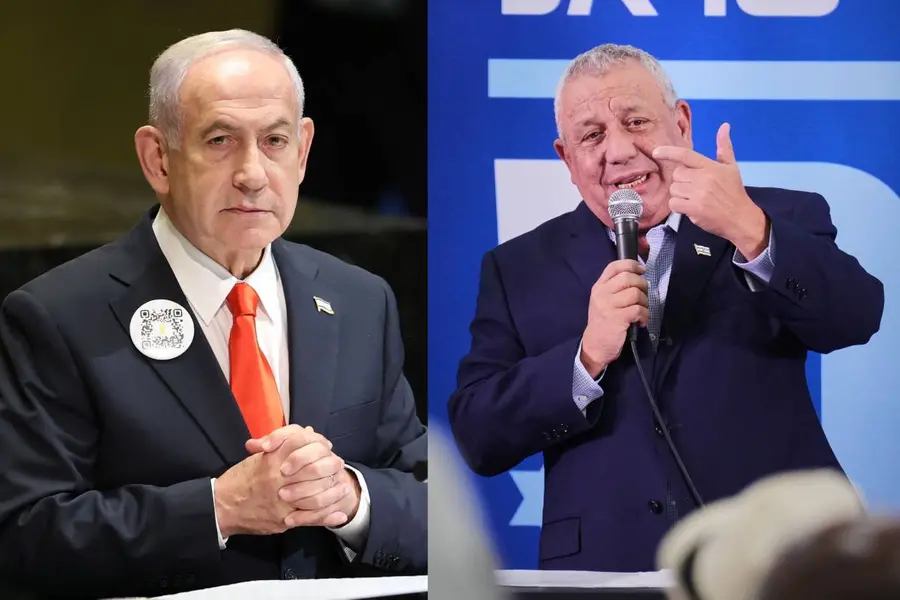
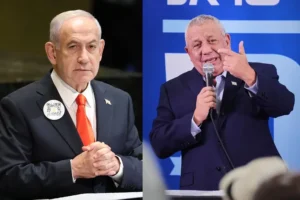
ജെറുസലേം: ഇസ്രയേലിൽ ഒക്ടോബർ 27-ന് നടക്കാനിരിക്കുന്ന പൊതുതെരഞ്ഞെടുപ്പ് പ്രധാനമന്ത്രി ബെഞ്ചമിൻ നെതന്യാഹുവിന്റെ രാഷ്ട്രീയ ഭാവി നിർണയിക്കുന്ന നിർണായക പോരാട്ടമായി മാറുന്നു. മുൻ ഇസ്രയേൽ സൈനിക മേധാവിയും പ്രതിപക്ഷ നേതാവുമായ ഗാദി ഐസൻകോട്ട് നെതന്യാഹുവിന് ശക്തമായ വെല്ലുവിളി ഉയർത്തുന്നതോടെ രാജ്യത്തെ രാഷ്ട്രീയ രംഗം കൂടുതൽ സജീവമായിരിക്കുകയാണ്.
2023 ഒക്ടോബർ ഏഴിന് ഹമാസ് നടത്തിയ ആക്രമണത്തിനുശേഷം ഇസ്രയേലിലുണ്ടായ സുരക്ഷാ പ്രതിസന്ധികളും തുടർന്നുണ്ടായ യുദ്ധങ്ങളും സർക്കാരിന്റെ പ്രവർത്തനങ്ങളെക്കുറിച്ചുള്ള ചർച്ചകൾക്ക് വഴിവച്ചിട്ടുണ്ട്. ഈ സാഹചര്യത്തിൽ നടക്കുന്ന തിരഞ്ഞെടുപ്പ് നെതന്യാഹുവിന്റെ നേതൃത്വത്തിനുള്ള ജനവിധിയായാണ് വിലയിരുത്തപ്പെടുന്നത്.
മുൻ ഇസ്രയേൽ പ്രതിരോധ സേനാ മേധാവിയായ ഗാദി ഐസൻകോട്ട് തന്റെ യാഷർ (Yashar!) പാർട്ടിയിലൂടെയാണ് തിരഞ്ഞെടുപ്പിൽ പ്രധാന വെല്ലുവിളിയായി ഉയർന്നിരിക്കുന്നത്. സൈനികരംഗത്ത് ദീർഘകാലത്തെ അനുഭവസമ്പത്തുള്ള അദ്ദേഹം 2022-ലാണ് സജീവ രാഷ്ട്രീയത്തിലേക്ക് പ്രവേശിച്ചത്.
2023 ഒക്ടോബറിലെ ആക്രമണത്തിനുശേഷം നെതന്യാഹുവിന്റെ യുദ്ധകാല മന്ത്രിസഭയിൽ അംഗമായിരുന്ന ഐസൻകോട്ട്, യുദ്ധത്തിന്റെ ലക്ഷ്യങ്ങളും ഭാവി തന്ത്രങ്ങളും സംബന്ധിച്ച അഭിപ്രായവ്യത്യാസങ്ങളെ തുടർന്ന് 2024 ജൂണിൽ രാജിവച്ചു. ഒക്ടോബർ ഏഴിലെ സുരക്ഷാ വീഴ്ചകൾ അന്വേഷിക്കാൻ സ്വതന്ത്ര അന്വേഷണ കമ്മിഷൻ വേണമെന്ന ആവശ്യവും അദ്ദേഹത്തിന്റെ പ്രധാന രാഷ്ട്രീയ നിലപാടുകളിലൊന്നാണ്.
തിരഞ്ഞെടുപ്പിന് മുന്നോടിയായുള്ള അഭിപ്രായ സർവേകൾ നെതന്യാഹുവിന്റെ ലിക്കുഡ് പാർട്ടിയും ഐസൻകോട്ടിന്റെ യാഷർ പാർട്ടിയും തമ്മിൽ കടുത്ത മത്സരമാണ് സൂചിപ്പിക്കുന്നത്. എന്നാൽ ഒരു പക്ഷത്തിനും വ്യക്തമായ ഭൂരിപക്ഷം ഉറപ്പാക്കാൻ കഴിയുമെന്ന സൂചനകളില്ല.
ഇസ്രയേൽ പാർലമെന്റായ നെസെറ്റിൽ ആകെ 120 അംഗങ്ങളാണുള്ളത്. സർക്കാർ രൂപീകരിക്കാൻ കുറഞ്ഞത് 61 അംഗങ്ങളുടെ പിന്തുണ ആവശ്യമാണ്. അതിനാൽ തിരഞ്ഞെടുപ്പിൽ ലഭിക്കുന്ന സീറ്റുകൾക്കൊപ്പം മറ്റു പാർട്ടികളുടെ പിന്തുണയും അടുത്ത സർക്കാരിന്റെ രൂപീകരണത്തിൽ നിർണായകമാകും.
മുൻ പ്രധാനമന്ത്രി നഫ്താലി ബെന്നറ്റും യായർ ലാപിഡും ഉൾപ്പെടെയുള്ള പ്രതിപക്ഷ നേതാക്കളും തിരഞ്ഞെടുപ്പിൽ പ്രധാന പങ്കുവഹിക്കുന്നുണ്ട്. ചെറിയ പാർട്ടികൾക്ക് ലഭിക്കുന്ന വോട്ടുകളും സീറ്റുകളും സർക്കാർ രൂപീകരണത്തിലെ സമവാക്യങ്ങളെ മാറ്റിമറിച്ചേക്കാം.
2023 ഒക്ടോബർ ഏഴിലെ ആക്രമണവുമായി ബന്ധപ്പെട്ട സുരക്ഷാ വീഴ്ചകൾ, ഗാസയിലെ യുദ്ധത്തിന്റെ പ്രത്യാഘാതങ്ങൾ, ഇറാനുമായുള്ള സംഘർഷം, ജീവിതച്ചെലവ് തുടങ്ങിയ വിഷയങ്ങൾ തിരഞ്ഞെടുപ്പിൽ പ്രധാന ചർച്ചകളാണ്.
രാജ്യത്തെ അൾട്രാ ഓർത്തഡോക്സ് ജൂത വിഭാഗങ്ങൾക്ക് സൈനികസേവനത്തിൽ നൽകുന്ന ഇളവുകളും രാഷ്ട്രീയ വിവാദമായി തുടരുന്നു. നിർബന്ധിത ദേശീയസേവനം കൂടുതൽ വ്യാപകമാക്കണമെന്ന നിലപാടാണ് ഐസൻകോട്ട് മുന്നോട്ടുവയ്ക്കുന്നത്.
അതേസമയം, നെതന്യാഹുവിന്റെ വലതുപക്ഷ സഖ്യകക്ഷികൾ സൈനികസേവനവുമായി ബന്ധപ്പെട്ട നിലവിലെ ഇളവുകൾ സംരക്ഷിക്കണമെന്ന നിലപാടിലാണ്. ഈ വിഷയത്തിൽ സർക്കാരിനുള്ളിലെ അഭിപ്രായവ്യത്യാസങ്ങളും തിരഞ്ഞെടുപ്പിനെ സ്വാധീനിച്ചേക്കാം.
തിരഞ്ഞെടുപ്പിൽ ഒരു പാർട്ടിക്കും വ്യക്തമായ ഭൂരിപക്ഷം ലഭിക്കാത്ത സാഹചര്യമുണ്ടായാൽ സഖ്യസർക്കാർ രൂപീകരിക്കാനുള്ള ചർച്ചകൾക്ക് ആഴ്ചകൾ വേണ്ടിവന്നേക്കാം. വിവിധ പാർട്ടികൾ തമ്മിലുള്ള ധാരണകളും അവരുടെ നയപരമായ വ്യത്യാസങ്ങളും അടുത്ത സർക്കാരിന്റെ സ്വഭാവം നിർണയിക്കും.
ഇസ്രയേലിന്റെ സുരക്ഷാനയം, പലസ്തീൻ വിഷയത്തിലുള്ള സമീപനം, പശ്ചിമേഷ്യയിലെ സംഘർഷങ്ങൾ, ഇന്ത്യയുമായുള്ള തന്ത്രപ്രധാന ബന്ധം എന്നിവയിലും പുതിയ സർക്കാരിന്റെ നിലപാടുകൾക്ക് പ്രാധാന്യമുണ്ടാകും.
നെതന്യാഹു അധികാരം നിലനിർത്തുമോ, അതോ ഐസൻകോട്ടിന്റെ നേതൃത്വത്തിലുള്ള പ്രതിപക്ഷം പുതിയ രാഷ്ട്രീയ അധ്യായത്തിന് തുടക്കമിടുമോ എന്നതാണ് ഇപ്പോൾ ഉയരുന്ന പ്രധാന ചോദ്യം. തിരഞ്ഞെടുപ്പ് ഫലവും തുടർന്നുള്ള സഖ്യചർച്ചകളും ഇസ്രയേലിന്റെ രാഷ്ട്രീയ ഭാവി നിർണയിക്കും.
English Summary:
Jerusalem: The general election scheduled for October 27 in Israel is shaping up to be a decisive battle that will determine the political future of Prime Minister Benjamin Netanyahu. The country’s political landscape has intensified as Gadi Eizenkot—a former Israeli military chief and opposition leader—poses a formidable challenge to Netanyahu.
The security crisis and subsequent wars that have gripped Israel following the Hamas attack on October 7, 2023, have sparked intense debate regarding the government’s performance. In this context, the upcoming election is being viewed as a referendum on Netanyahu’s leadership.
Gadi Eizenkot, a former Chief of the General Staff of the Israel Defense Forces (IDF), has emerged as a major challenger through his party, ‘Yashar!’. Having gained extensive experience in the military, he entered active politics in 2022.
Eizenkot, who served as a member of Netanyahu’s wartime cabinet following the October 2023 attacks, resigned in June 2024 due to disagreements over the objectives of the war and future strategic approaches. A key pillar of his political platform is the demand for an independent commission of inquiry to investigate the security failures of October 7. Pre-election opinion polls indicate a tight contest between Netanyahu’s Likud party and Eisenkot’s Yashar party. However, there are no signs that either side can secure a clear majority.
The Knesset, Israel’s parliament, consists of 120 members. Forming a government requires the support of at least 61 members; therefore, the support of other parties—in addition to the seats won in the election—will be crucial for the formation of the next government.
Opposition leaders, including former Prime Minister Naftali Bennett and Yair Lapid, also play a significant role in the election. The votes and seats secured by smaller parties could alter the equations for government formation.
Key issues in the election include security lapses related to the October 7, 2023, attack, the repercussions of the war in Gaza, tensions with Iran, and the cost of living.
Exemptions from military service granted to the country’s Ultra-Orthodox Jewish communities also remain a subject of political controversy. Eisenkot advocates for a more widespread implementation of mandatory national service.
Meanwhile, Netanyahu’s right-wing allies maintain that the existing exemptions regarding military service should be preserved. Disagreements within the government on this issue could also influence the election. The Formation of a New Government is Crucial
Should no single party secure a clear majority in the election, discussions to form a coalition government could take weeks. The nature of the next government will be shaped by the understandings reached between various parties, as well as their differences in policy.
The new government’s stance on issues such as Israel’s security policy, its approach to the Palestinian question, conflicts in West Asia, and its strategic relationship with India will be of significant importance.
The central question now is whether Netanyahu will retain power, or if the opposition—led by Eisenkot—will usher in a new political chapter. The election results and the subsequent coalition negotiations will determine Israel’s political future.