ഇറാനുമായി ചർച്ച നടത്തി മക്ക പ്രതിരോധ സഖ്യം
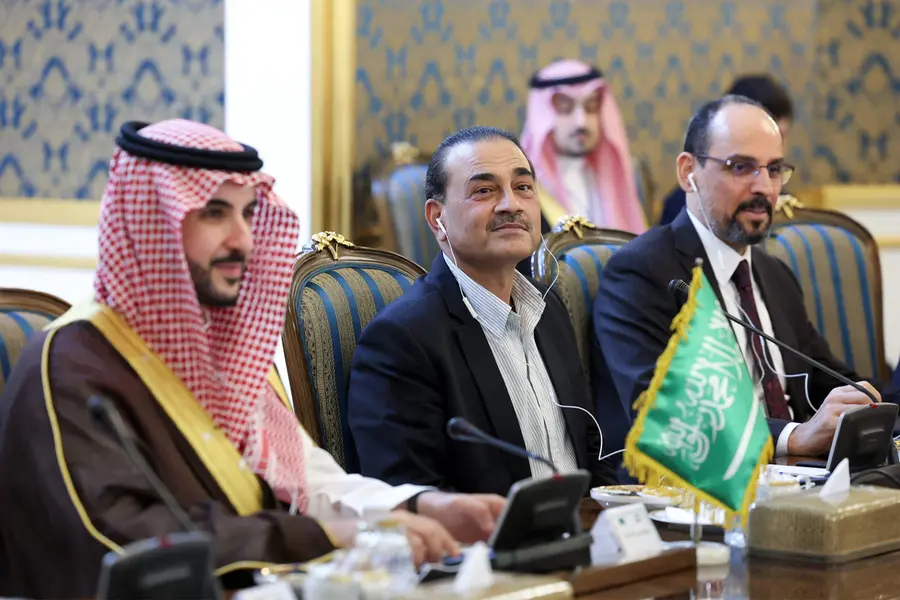
പശ്ചിമേഷ്യയിൽ സംഘർഷം രൂക്ഷമാകുന്നതിനിടെ ഇറാനുമായി ചർച്ച നടത്തി സൗദി അറേബ്യ, പാകിസ്ഥാൻ, തുർക്കി എന്നീ രാജ്യങ്ങൾ. മക്ക സംയുക്ത പ്രതിരോധ കരാറിൽ അംഗങ്ങളായ മൂന്ന് രാജ്യങ്ങളിലെ ഉന്നത ഉദ്യോഗസ്ഥരാണ് ഒക്ടോബർ 26-ന് ഇറാൻ തലസ്ഥാനമായ ടെഹ്റാനിൽ കൂടിക്കാഴ്ച നടത്തിയത്. പ്രാദേശിക സുരക്ഷ ശക്തിപ്പെടുത്തുക, സംഘർഷം കുറയ്ക്കുക, നയതന്ത്ര ചർച്ചകൾക്ക് വഴിയൊരുക്കുക എന്നിവയാണ് കൂടിക്കാഴ്ചയുടെ പ്രധാന ലക്ഷ്യങ്ങൾ.
സൗദി പ്രതിരോധമന്ത്രി ഖാലിദ് ബിൻ സൽമാൻ, പാകിസ്ഥാൻ സൈനിക മേധാവി അസിം മുനീർ, തുർക്കി രഹസ്യാന്വേഷണ വിഭാഗം മേധാവി ഇബ്രാഹിം കലിന് എന്നിവരാണ് ചർച്ചയിൽ പങ്കെടുത്തത്. ഇറാന്റെ പ്രസിഡന്റ് മസൂദ് പെസെഷ്കിയാനുമായും ഉന്നത സുരക്ഷാ ഉദ്യോഗസ്ഥരുമായും പ്രതിനിധികൾ കൂടിക്കാഴ്ച നടത്തി.
സൗദി അറേബ്യ, പാകിസ്ഥാൻ, തുർക്കി എന്നീ രാജ്യങ്ങൾ 2026 ഓഗസ്റ്റിൽ ഒപ്പുവെച്ച സംയുക്ത പ്രതിരോധ കരാറാണ് മക്ക ജോയിന്റ് ഡിഫൻസ് എഗ്രിമെന്റ്. കരാർ പ്രകാരം ഒരു അംഗരാജ്യത്തിന് നേരെയുണ്ടാകുന്ന സായുധ ആക്രമണം മറ്റ് അംഗരാജ്യങ്ങളെയും ബാധിക്കുന്ന ആക്രമണമായി കണക്കാക്കുന്നതാണ് പ്രധാന വ്യവസ്ഥ.
മേഖലയിലെ സുരക്ഷാ വെല്ലുവിളികൾ നേരിടാനും അംഗരാജ്യങ്ങൾ തമ്മിലുള്ള പ്രതിരോധ സഹകരണം ശക്തിപ്പെടുത്താനുമാണ് കരാർ ലക്ഷ്യമിടുന്നത്. എന്നാൽ ഈ സഖ്യത്തിലെ രാജ്യങ്ങൾ ഇപ്പോൾ ഇറാനുമായി നേരിട്ട് ചർച്ച നടത്തുന്നത് മേഖലയിൽ നയതന്ത്ര ബന്ധങ്ങൾക്ക് പുതിയ പ്രാധാന്യം നൽകുന്നു.
പാകിസ്ഥാൻ കരാറിന് അംഗീകാരം നൽകിയപ്പോൾ തുർക്കിയിലെ പാർലമെന്ററി അംഗീകാര നടപടികൾ പുരോഗമിക്കുകയാണെന്ന് റിപ്പോർട്ടുകൾ വ്യക്തമാക്കുന്നു.
യെമനിലെ ഹൂതി സായുധസംഘം സൗദി അറേബ്യയ്ക്കെതിരെ നടത്തിയ മിസൈൽ, ഡ്രോൺ ആക്രമണങ്ങളാണ് പുതിയ ചർച്ചകളുടെ പ്രധാന പശ്ചാത്തലങ്ങളിലൊന്ന്. സൗദി അറേബ്യയുടെ സുരക്ഷാ സാഹചര്യങ്ങൾ കൂടുതൽ സങ്കീർണമാകുന്നതിനിടെ മേഖലയിൽ സംഘർഷം വ്യാപിക്കുന്നത് തടയാൻ നയതന്ത്ര ഇടപെടലുകൾ ശക്തമാക്കുകയാണ് രാജ്യങ്ങൾ.
ഈ മാസം റിയാദിൽ നടന്ന അടിയന്തര യോഗത്തിൽ മക്ക പ്രതിരോധ കരാറിലെ അംഗരാജ്യങ്ങൾ സൗദിയിൽ സൈനിക ശേഷികളും മറ്റ് പ്രതിരോധ സംവിധാനങ്ങളും വേഗത്തിൽ വിന്യസിക്കുന്നതിനുള്ള നടപടികൾ ചർച്ച ചെയ്തിരുന്നു.
അതേസമയം, ഹൂതികളുടെ ആക്രമണങ്ങളും അമേരിക്ക–ഇറാൻ സംഘർഷവും പരസ്പരം ബന്ധപ്പെട്ട പ്രാദേശിക സുരക്ഷാ പ്രശ്നങ്ങളായി മാറിയിരിക്കുകയാണ്.
അമേരിക്കയും ഇസ്രയേലും ഇറാനെതിരെ നടത്തിയ സൈനിക നടപടികൾക്കു പിന്നാലെ പശ്ചിമേഷ്യയിലെ സുരക്ഷാ സാഹചര്യം കൂടുതൽ വഷളായിരിക്കുകയാണ്. സംഘർഷം അവസാനിപ്പിക്കുന്നതിനുള്ള നയതന്ത്ര ശ്രമങ്ങൾക്കിടയിലും വാഷിങ്ടണും ടെഹ്റാനും തമ്മിലുള്ള അഭിപ്രായവ്യത്യാസങ്ങൾ തുടരുന്നു.
ഇറാന്റെ ആണവപദ്ധതി, ഉപരോധങ്ങൾ, ഇറാനിയൻ തുറമുഖങ്ങൾക്കെതിരായ അമേരിക്കൻ ഉപരോധ നടപടികൾ, ഹോർമുസ് കടലിടുക്കിലൂടെയുള്ള കപ്പൽ ഗതാഗതം എന്നിവയാണ് സംഘർഷവുമായി ബന്ധപ്പെട്ട പ്രധാന വിഷയങ്ങൾ.
ഈ സാഹചര്യത്തിൽ സൗദി അറേബ്യ, പാകിസ്ഥാൻ, തുർക്കി എന്നീ രാജ്യങ്ങളുടെ ഇടപെടൽ അമേരിക്കയും ഇറാനും തമ്മിലുള്ള തർക്കം പരിഹരിക്കുന്നതിനുള്ള വിശാലമായ നയതന്ത്ര ശ്രമങ്ങളുടെ ഭാഗമായാണ് വിലയിരുത്തപ്പെടുന്നത്. ഖത്തറും പാകിസ്ഥാനും നടത്തുന്ന മധ്യസ്ഥശ്രമങ്ങൾക്ക് പിന്തുണ നൽകുന്നതും സന്ദർശനത്തിന്റെ ലക്ഷ്യങ്ങളിലൊന്നാണെന്ന് സൗദി അധികൃതർ വ്യക്തമാക്കിയിട്ടുണ്ട്.
ഇറാനുമായി നേരിട്ടുള്ള ചർച്ചകൾ നടത്തുമ്പോഴും മക്ക പ്രതിരോധ സഖ്യത്തിലെ രാജ്യങ്ങൾ സ്വന്തം സുരക്ഷാ സഹകരണം ശക്തിപ്പെടുത്തുന്നുണ്ട്. അതിനാൽ ഈ കൂടിക്കാഴ്ചയെ പ്രതിരോധ സഖ്യത്തിന്റെ ലക്ഷ്യങ്ങളിൽ മാറ്റമുണ്ടായതിന്റെ തെളിവായി കാണാനാകില്ല.
മേഖലയിലെ സംഘർഷം നിയന്ത്രിക്കാനും സൗദിയുടെ സുരക്ഷാ ആശങ്കകൾ പരിഹരിക്കാനും അമേരിക്ക–ഇറാൻ തർക്കത്തിൽ നയതന്ത്ര പരിഹാരത്തിനുള്ള സാധ്യതകൾ തേടാനും ഈ ചർച്ചകൾക്ക് കഴിയുമോ എന്നതാണ് പ്രധാന ചോദ്യം.
എന്നാൽ ചർച്ചകളിലൂടെ നിർണായകമായ ധാരണയിലെത്തിയതായി ഇതുവരെ വ്യക്തമായ പ്രഖ്യാപനമില്ല. പശ്ചിമേഷ്യയിലെ സുരക്ഷാ സാഹചര്യം എങ്ങനെ മാറുമെന്നത് തുടർ നയതന്ത്ര നീക്കങ്ങളെയും ബന്ധപ്പെട്ട രാജ്യങ്ങളുടെ തീരുമാനങ്ങളെയും ആശ്രയിച്ചിരിക്കും.
English Summary
Amidst escalating conflict in West Asia, Saudi Arabia, Pakistan, and Turkey have held discussions with Iran. High-ranking officials from these three nations—all signatories to the ‘Mecca Joint Defense Agreement’—met on October 26 in Tehran, the capital of Iran. The primary objectives of the meeting were to strengthen regional security, de-escalate conflict, and pave the way for diplomatic dialogue.
Participants in the discussions included Saudi Defense Minister Khalid bin Salman, Pakistan’s Army Chief Asim Munir, and the head of Turkey’s intelligence agency, Ibrahim Kalin. The representatives also met with Iranian President Masoud Pezeshkian and senior security officials.
The ‘Mecca Joint Defense Agreement’ is a pact signed by Saudi Arabia, Pakistan, and Turkey in August 2026. A key provision of the agreement stipulates that an armed attack against any one member state is to be considered an attack against all the member states.
The agreement aims to address security challenges in the region and bolster defense cooperation among the member nations. However, the fact that these allied countries are now engaging in direct talks with Iran lends new significance to diplomatic relations within the region. While Pakistan has granted approval for the agreement, reports indicate that the process for parliamentary ratification is currently underway in Turkey.
A key backdrop for these recent discussions is the series of missile and drone attacks launched by the Houthi armed group in Yemen against Saudi Arabia. As the security situation for Saudi Arabia grows increasingly complex, various nations are intensifying diplomatic efforts to prevent the conflict from spreading across the region.
During an emergency meeting held in Riyadh this month, member states of the ‘Mecca Defense Pact’ discussed measures to expedite the deployment of military assets and other defense systems within Saudi Arabia.
Meanwhile, the attacks by the Houthis and the ongoing tensions between the United States and Iran have evolved into interconnected regional security challenges.
The security situation in West Asia has further deteriorated following military actions taken by the United States and Israel against Iran. Despite diplomatic initiatives aimed at ending the conflict, significant disagreements persist between Washington and Tehran.
Core issues fueling the conflict include Iran’s nuclear program, economic sanctions, U.S. restrictive measures targeting Iranian ports, and the security of maritime traffic passing through the Strait of Hormuz.
In this context, the involvement of Saudi Arabia, Pakistan, and Turkey is viewed as part of broader diplomatic efforts to resolve the dispute between the United States and Iran. Saudi authorities have stated that one of the objectives of the visit is to support the mediation efforts being undertaken by Qatar and Pakistan.
Even while engaging in direct talks with Iran, the member nations of the defense alliance—often associated with the ‘Mecca’ framework—are continuing to strengthen their own security cooperation. Therefore, this meeting cannot be interpreted as evidence of a shift in the alliance’s core objectives.
The key question is whether these discussions can succeed in containing regional conflict, addressing Saudi Arabia’s security concerns, and exploring the potential for a diplomatic resolution to the US-Iran dispute.
However, there has been no clear announcement thus far indicating that any critical agreements have been reached through these talks. How the security landscape in West Asia evolves will depend on future diplomatic maneuvers and the decisions made by the countries involved.